Not Every Yes Is a Win: The Real Price of Saying Yes to Every Collaboration

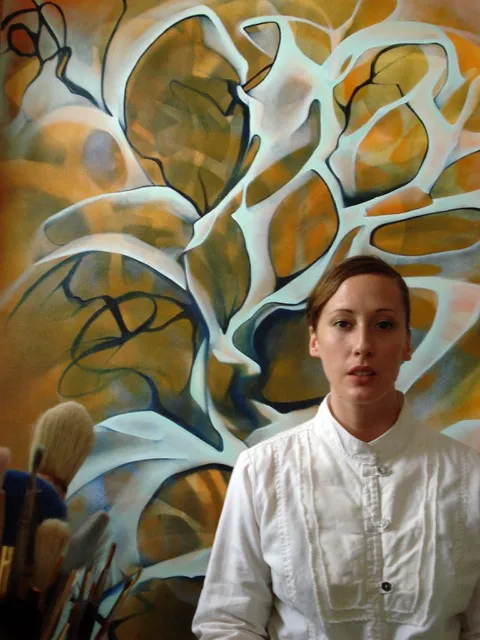
Photo: Ricardovfo, CC BY-SA 4.0, via Wikimedia Commons
There's a version of collaboration that looks incredible on paper. Two creative minds, a shared project, a combined audience. The energy alone can feel like a shot of espresso at the start of a new season. And sometimes? It absolutely delivers. The work gets bigger, stranger, better than either person could have pulled off alone.
But here's what nobody really talks about: collaboration has a tax. And most creative professionals don't realize they're paying it until they're already overdrawn.
This isn't an argument against working with other people. It's an argument for being honest — with yourself, especially — about what a partnership actually costs before you sign on.
The Part That's Not on the Invoice
When creatives think about the cost of a collaboration, they usually think about time. How many hours will this take? Can I fit it into my schedule? That's the visible line item. It's real, but it's not the whole bill.
The hidden costs are subtler and, in a lot of ways, more damaging.
First, there's focus fragmentation. Every collaboration pulls your creative attention in a new direction. You're not just doing your work anymore — you're doing your work and managing a shared creative process, which involves a completely different set of mental muscles. If you're already deep in a personal project that requires sustained concentration, even a small collaboration can introduce enough noise to knock you off your own frequency.
Then there's the vision dilution problem. This one's tricky because it doesn't feel like a problem at first. In fact, it often feels like growth. You're compromising, you're being flexible, you're incorporating someone else's perspective. All good things, right? Sometimes. But if you're doing that repeatedly across multiple partnerships, you can reach a point where you look at your output and struggle to find yourself in it. The work becomes a negotiated document rather than a genuine expression.
And finally — and this one is exhausting — there's expectation management. Every collaboration comes with a relationship layer. You're not just merging creative output; you're merging communication styles, work rhythms, standards, and ego. That's a significant mental load, and it doesn't show up anywhere on a project timeline.
When Collaboration Actually Works
None of this means you should work in isolation. Some of the most compelling creative work in any medium — design, visual art, music, film — came from genuine partnerships where both parties pushed each other somewhere neither would've gone alone.
The key word is genuine. The collaborations that actually elevate your work tend to share a few common traits.
They happen with people who have a complementary skill set, not a competing one. If you and a collaborator are both trying to do the same thing, someone's going to have to step back. But when each person brings something the other doesn't have, the work gets genuinely richer without either voice getting swallowed.
They also happen when there's alignment on the creative mission — not just the project deliverable, but the why behind it. If you're making something to push a certain idea forward and your collaborator is more focused on audience reach or commercial potential, that tension will show up in the work whether you address it or not. Better to surface it before you're three weeks deep.
And honestly, the best collaborations tend to involve people you trust enough to disagree with. Creative partnerships where everyone's too polite to push back produce work that's fine. The ones where both people feel safe enough to challenge each other — that's where something real can happen.
A Simple Framework Before You Commit
Before you say yes to the next collaboration that lands in your inbox, try running it through these three questions.
Does this serve the work I'm actually trying to make? Not your career in general, not your visibility, not your relationship with this person — the specific work you're focused on right now. If the answer is genuinely yes, that's a meaningful signal.
What am I trading away to make room for this? Be specific. Not "some time" but which project, which phase of development, which creative window. If you can name it clearly and you're still willing to make the trade, you're making a real decision. If you can't name it, you're not thinking clearly yet.
Would I be doing this if there was no external pressure to say yes? Peer pressure in creative communities is real. So is the anxiety of seeming unavailable or difficult. If the honest answer is that you'd pass on this in a vacuum, pay attention to that.
The Cost of a Diluted Voice
Here's the thing about your creative voice — it's not infinitely resilient. It can be strengthened through challenge and sharpened through discipline, but it can also get genuinely blurry if you spend too long accommodating everyone else's vision at the expense of your own.
The creatives who build lasting, distinctive bodies of work aren't the ones who said yes to everything. They're the ones who were thoughtful — sometimes even ruthless — about protecting the conditions under which their best work could actually happen.
That's not selfishness. That's stewardship.
Your singular perspective is the thing that makes your work worth experiencing. Every time you compromise it carelessly, you're not being collaborative — you're being careless with something that took years to develop.
Saying No Is a Creative Act
There's a cultural narrative in creative industries that more collaboration equals more success. And it's not entirely wrong — the right partnerships at the right time can be genuinely transformative. But the flip side of that narrative is that saying no to a collaboration can feel like you're closing a door, missing an opportunity, or — worst of all — being difficult.
Flip the frame. Saying no to the wrong collaboration is how you stay available for the right one. It's how you protect the focus and the voice that made someone want to collaborate with you in the first place.
Not every yes is a win. Sometimes the most creative decision you can make is a clear, confident, well-considered no — and then getting back to the work that only you can make.